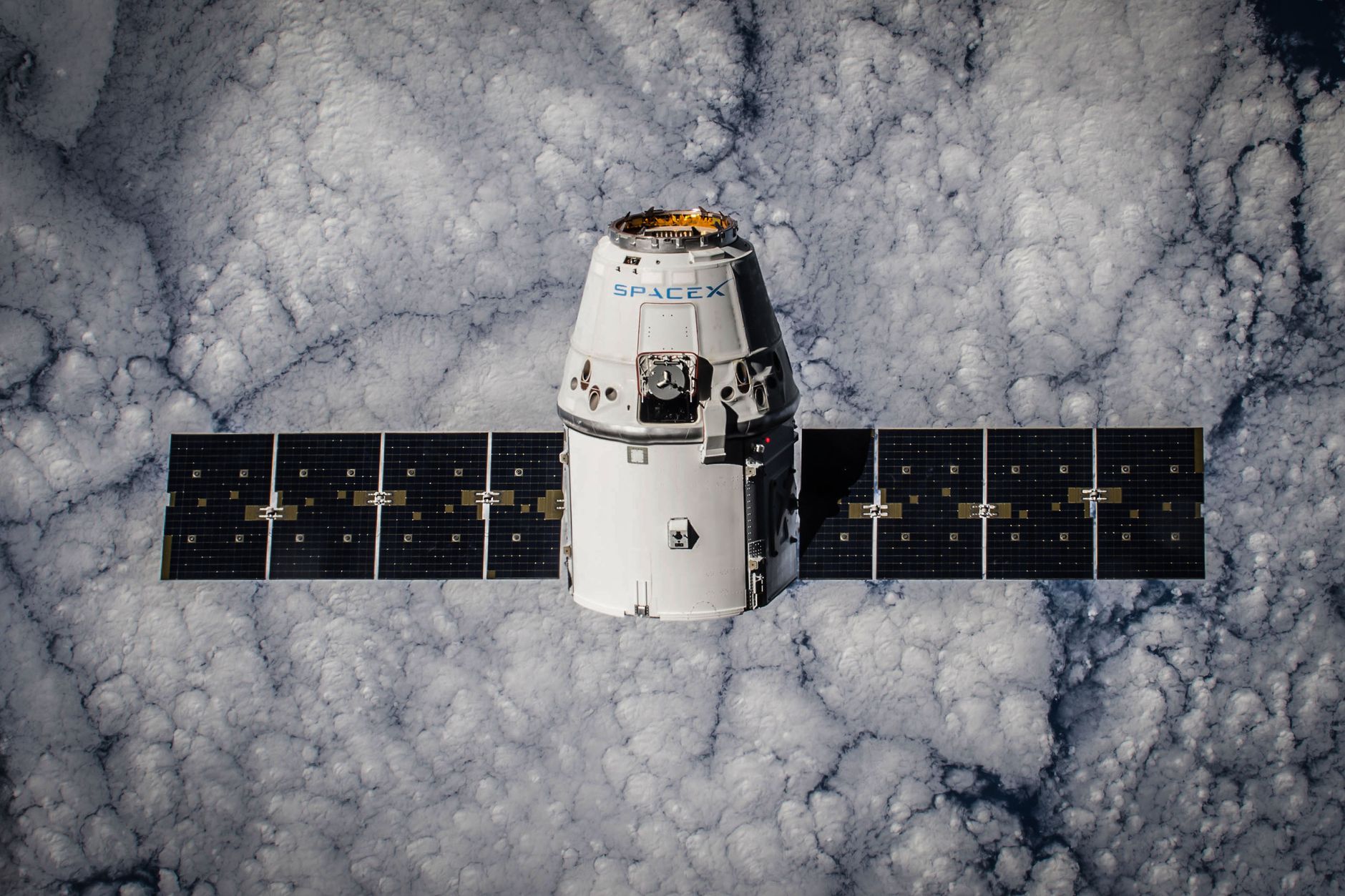
ISRO satellite launch has successfully taken place, showcasing India’s advancements in space technology. The recent mission involved the deployment of an Earth imaging satellite aboard the GSLV rocket.
Overview of the ISRO Satellite Launch
The Indian Space Research Organisation (ISRO) achieved a remarkable milestone with its recent satellite launch, highlighting its capabilities in space technology. The successful deployment of an Earth imaging satellite aboard the GSLV rocket marks a significant step forward for the organization, which has been a frontrunner in space exploration and satellite development.
This launch not only demonstrates ISRO’s resilience but also its commitment to enhancing the nation’s satellite capabilities. The GSLV rocket, known for its reliability, played a crucial role in ensuring a smooth journey for the satellite into its designated orbit. The satellite aims to improve various applications, including agriculture, urban planning, and disaster management, providing vital data for a wide range of sectors.
Key aspects of the recent ISRO satellite launch include:
- Launch Date: The satellite was successfully launched on a precise schedule, showcasing ISRO’s meticulous planning.
- Rocket Specifications: The GSLV rocket is equipped with advanced technology, enabling it to carry heavier payloads effectively.
- Earth Imaging Capabilities: The satellite is expected to provide high-resolution images that will benefit various governmental and private sectors.
As ISRO continues to innovate, this satellite launch serves as a testament to its growing prowess in the global space arena.
Significance of Earth Imaging Satellites
The successful ISRO satellite launch marks a significant achievement in the realm of Earth imaging technology. These satellites play a crucial role in various sectors, contributing to advancements in environmental monitoring, agriculture, and urban planning.
Earth imaging satellites are essential for collecting data that helps in:
- Environmental Monitoring: They provide critical information on climate change, deforestation, and natural disasters, enabling timely responses and informed decision-making.
- Agricultural Development: Farmers and agricultural scientists rely on satellite imagery to analyze crop health, soil moisture levels, and land use patterns, ultimately enhancing food security.
- Urban Planning: City planners utilize Earth imaging data to manage urban growth, infrastructure development, and resource allocation, ensuring sustainable city environments.
- Disaster Management: In the event of calamities, these satellites assist in assessing damage and coordinating rescue operations, significantly improving response times.
The ISRO satellite launch not only underscores India’s growing capabilities in space technology but also enhances its contributions to global efforts in monitoring the planet. As the demand for accurate and timely earth observation data increases, the importance of such satellites will only continue to grow, reinforcing ISRO’s commitment to advancing science and technology for societal benefit.
Details of the GSLV Rocket
The Geosynchronous Satellite Launch Vehicle (GSLV) rocket has been a cornerstone of ISRO’s satellite launch capabilities, demonstrating remarkable reliability and efficiency. This vehicle is designed to deploy heavier payloads into geostationary orbits, making it ideal for a variety of missions.
One of the standout features of the GSLV rocket is its three-stage propulsion system, which consists of solid, liquid, and cryogenic stages. This innovative design allows for a greater thrust-to-weight ratio, enabling it to lift heavier satellites. The successful launch of the Earth imaging satellite aboard the GSLV rocket marks a significant achievement for ISRO and underscores the advancements made in this technology.
Key specifications of the GSLV include:
- Height: Approximately 49 meters
- Launch Mass: Around 420 tons
- Payload Capacity: Up to 2,500 kg to geostationary transfer orbit (GTO)
- Orbital Inclination: 19.2 degrees
The recent launch showcased the rocket’s capabilities, as it successfully placed the Earth imaging satellite into its intended orbit. This achievement not only highlights ISRO’s expertise in satellite launch but also its commitment to enhancing Earth observation capabilities, which are crucial for various applications, including agriculture, urban planning, and disaster management.
Previous Launches by ISRO
The Indian Space Research Organisation (ISRO) has a storied history of satellite launches that highlight its advancements in space technology. Over the years, ISRO has successfully deployed a variety of satellites, each contributing significantly to both national and global needs.
Some of the notable previous launches include:
- PSLV-C49: Launched in 2020, this mission deployed the EOS-01 satellite along with nine foreign satellites. It showcased ISRO’s capability in launching multiple payloads simultaneously.
- GSLV Mk II: This variant has successfully placed several crucial satellites into orbit, including the GSAT series, which are vital for communication and broadcasting.
- IRNSS: The Indian Regional Navigation Satellite System was launched to provide accurate positioning services to users in India and the surrounding region.
- Chandrayaan-2: Although primarily a lunar exploration mission, it demonstrated ISRO’s prowess in sending complex missions beyond Earth’s orbit.
With each successful mission, ISRO has not only reinforced its reputation in the realm of space exploration but has also paved the way for future endeavors. The recent ISRO satellite launch aboard the GSLV rocket is a testament to its ongoing commitment to technological excellence and innovation.
Future Missions Planned by ISRO
The Indian Space Research Organisation (ISRO) has outlined an ambitious roadmap for future missions following the recent success of the ISRO satellite launch. With the proven capabilities of the GSLV rocket, ISRO aims to enhance its contribution to global space exploration and satellite deployment.
Upcoming missions will include:
- Gaganyaan Mission: India’s first human spaceflight program is set to send Indian astronauts into low Earth orbit, demonstrating ISRO’s technological advancements in crewed space missions.
- Chandrayaan-3: Following the success of Chandrayaan-2, this mission aims to further explore the lunar surface and gather data on its composition and resources.
- Mangalyaan-2: Building on the success of the Mars Orbiter Mission, this mission will focus on further exploration and research on Mars.
- Earth Observation Satellites: ISRO plans to launch a series of satellites for various applications, including agriculture, urban planning, and disaster management, enhancing its capabilities in Earth imaging.
With the successful ISRO satellite launch, the organization is not only reinforcing its position in the global space community but also addressing pressing challenges on Earth through innovative satellite technology. The future missions signify a commitment to scientific progress and international collaboration in space exploration.
International Impact of India’s Space Program
The recent success of the ISRO satellite launch has captured international attention, highlighting India’s growing capabilities in space technology. As countries around the world invest in their space programs, India’s achievements stand out as a testament to the nation’s dedication and expertise in this field.
ISRO, the Indian Space Research Organisation, has established itself as a key player in the global space arena. The advancements made through its satellite launches not only enhance India’s monitoring of environmental changes but also provide crucial data for various applications worldwide. The impact of these missions extends beyond national borders, aiding other nations in disaster management, agriculture, and urban planning.
Key international implications of India’s space program include:
- Collaboration Opportunities: ISRO’s success paves the way for partnerships with other countries, fostering collaboration in research and technology development.
- Commercial Ventures: The effective launch capabilities of ISRO have attracted attention from global clients, expanding the commercial satellite launch market.
- Geopolitical Influence: As India strengthens its aerospace sector, it enhances its position in international discussions on space governance and technology exchange.
Ultimately, the ISRO satellite launch represents not just a technical achievement, but a significant step towards solidifying India’s role as a leader in global space exploration.
Public Response to the Successful Launch
The recent successful launch of an Earth imaging satellite aboard the GSLV rocket by ISRO has sparked an overwhelming positive response from the public and experts alike. Many took to social media to express their excitement and pride in India’s advancements in space technology.
Numerous tweets and posts highlighted the significance of the ISRO satellite launch, with users sharing images and videos of the rocket’s liftoff. A user on Twitter stated, “Proud moment for India! The ISRO satellite launch showcases our capabilities on the global stage.”
Public sentiment has also been reflected in various online forums, where discussions surrounding the implications of enhanced satellite imagery capabilities have flourished. Many participants emphasized the potential benefits for agriculture, urban planning, and disaster management.
- Educational Impact: Students and educators are lauding ISRO’s achievements, inspiring a new generation to pursue careers in science and technology.
- National Pride: Citizens expressed feelings of national pride, celebrating India’s growing reputation in the global space community.
- Future Aspirations: The successful launch has ignited interest in future missions, with many looking forward to what ISRO will achieve next.
Overall, the public response highlights a collective enthusiasm for India’s space endeavors and a hopeful outlook for the future of ISRO’s missions.
The recent ISRO satellite launch has demonstrated the reliability of the GSLV rocket, marking another milestone for India’s space program. As the ISRO satellite launch continues to gain international recognition, it showcases India’s growing capabilities in space technology.
Photo by SpaceX on Pexels
Read the original
Related reading
Explore Webtoon and Entertainment Platforms Through a Freshly Organized 2026 Site Collection · Why Access Control Decisions Should Consider Exit Routes as Well as Entry Points · How does coil material shape output in a disposable thca vape device?