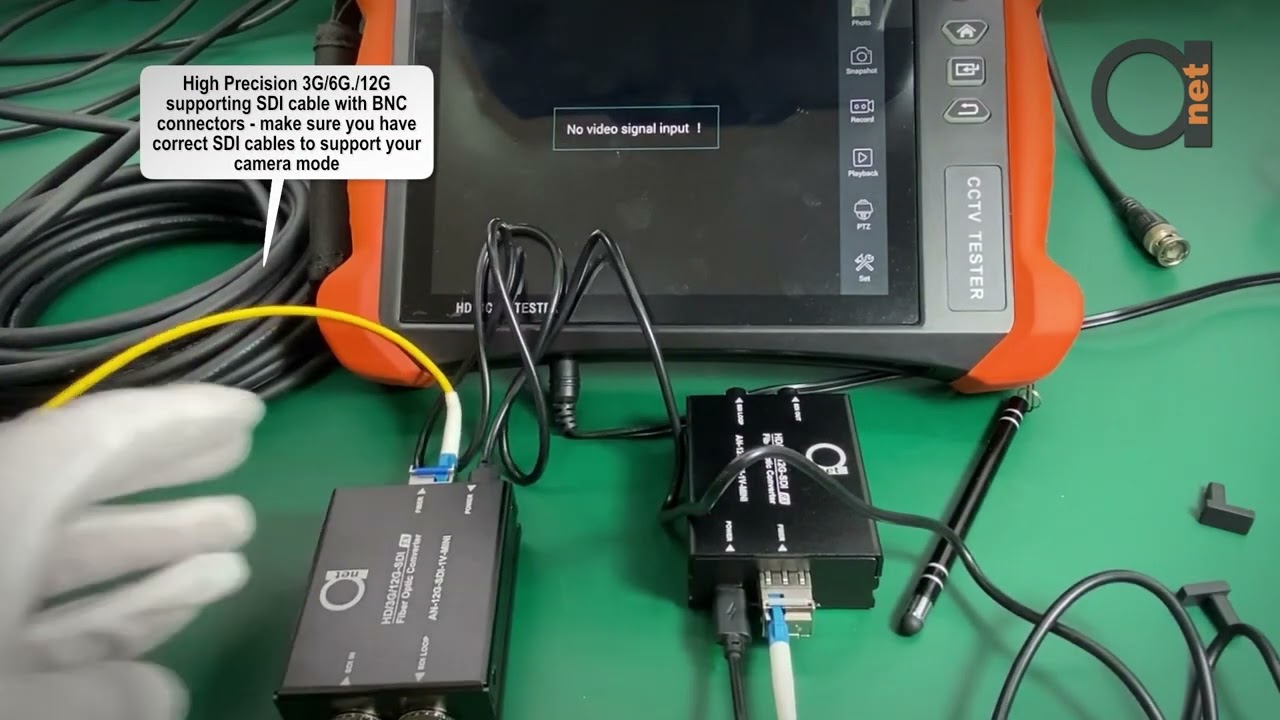

As video resolutions and frame rates keep rising, it gets harder for broadcasters and expert AV teams to keep signal quality over long distances. Traditional copper-based SDI cabling struggles with bandwidth limits, signal attenuation, and electromagnetic interference. This is where 12G-SDI over Fiber becomes a powerful solution, enabling reliable transport of uncompressed ultra high definition video across extended ranges with minimal signal loss.
Understanding 12G-SDI Video Transport
12G-SDI can handle data rates of up to 12 gigabits per second. This means that a single wire can send 4K video at 60 frames per second without having to compress the file. When paired with fiber optic transmission, this format overcomes the distance limitations of coaxial cables, which typically max out at tens of meters for 12G signals. Fiber optics allows the same signal to travel kilometers while maintaining integrity, making it ideal for studios, live events, and remote production environments.
Choosing the Right Fiber Infrastructure
Optimizing video transport starts with selecting the appropriate fiber type. Single-mode fiber is generally preferred for long-distance transmission, offering low attenuation and greater reach. Multimode fiber can still be effective for shorter runs within facilities, such as studios or control rooms. Using optical units that match the fiber type ensures that performance stays the same and the risk of signal degradation goes down.
Connector quality also plays a critical role. Clean, well-polished connectors minimize insertion loss and reflections that could otherwise affect video stability. Regular inspection and cleaning routines should be part of any professional workflow relying on fiber-based transport.
Ensuring Signal Integrity and Stability
One of the key advantages of 12G-SDI over Fiber is its resistance to electromagnetic interference, but signal integrity still depends on proper system design. Using high-quality optical transmitters and receivers designed specifically for 12G bandwidth is essential. These devices should support automatic equalization and reclocking to maintain a stable output even over long distances.
Redundancy is another important optimization strategy. Deploying dual fiber paths or backup links ensures continuous operation during live broadcasts or mission-critical applications. This approach reduces downtime and provides peace of mind in demanding production environments.
Optimizing for UHD and HDR Workflows
Ultra high definition and HDR content place additional demands on transport systems. Making sure that all parts in the signal chain handle the full 12G bandwidth avoids bottlenecks that could make performance worse. Fiber-based systems are well-suited for these workflows because they preserve uncompressed video quality, color depth, and timing accuracy.
Latency is also a key consideration. Fiber transmission introduces negligible delay compared to compressed IP-based alternatives, making it ideal for live production where synchronization between cameras, audio, and graphics is critical.
Monitoring and Maintenance Best Practices
Ongoing monitoring helps maintain optimal performance over time. Signal analyzers and monitoring tools can detect issues such as optical power loss or bit errors before they impact production. Establishing baseline measurements during installation makes it easier to identify deviations later.
Routine maintenance, including connector cleaning and cable inspections, further extends system reliability. Fiber infrastructure is durable, but proactive care ensures consistent performance across years of operation.
Future Proofing Video Transport Systems
Investing in 12G-SDI over Fiber also prepares facilities for future advancements. As production moves toward higher resolutions and more complex workflows, fiber provides the scalability needed to adapt without major infrastructure changes. Many systems can be upgraded by swapping optical modules rather than replacing entire cable runs.
Conclusion
Optimizing video transport requires a balance of performance, reliability, and scalability. By leveraging 12G-SDI over Fiber, professionals can achieve long-distance, interference-free transmission of uncompressed 4K video while maintaining low latency and high signal integrity. With proper fiber selection, high-quality components, and regular maintenance, this technology delivers a robust foundation for modern and future video production needs.