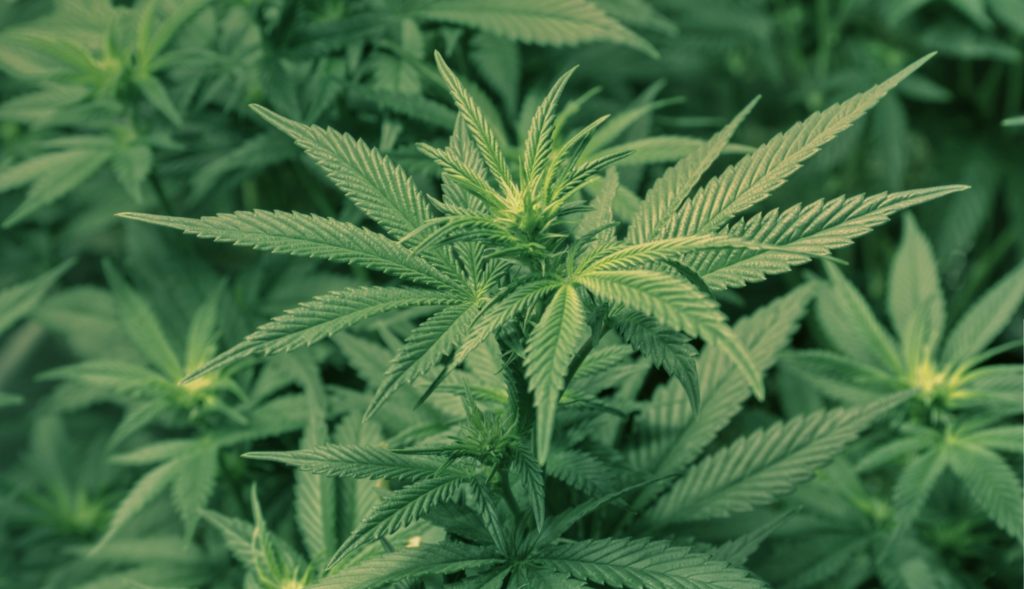
Cannabis extracts are concentrated preparations made by separating selected compounds from cannabis plant material. Their composition, cannabinoid content, ingredients, and intended uses can vary, making accurate product information an important part of consumer education. Understanding Best Extracts Online Canada requires looking at the standards governing legal cannabis products, including production controls, testing, packaging, labelling, and traceability. These requirements are designed to support product accountability and help adults understand what regulated extracts contain before considering the relevant health and safety information.
Understanding Cannabis Extracts
Cannabis extracts are products created by separating cannabinoids and other compounds from cannabis plant material. Depending on their formulation and processing, they may appear as oils, resins, waxes, or other concentrated preparations.
Some extracts are sold as distinct cannabis products, while others are used as ingredients in regulated preparations. Their cannabinoid concentrations and physical characteristics can differ considerably.
Because extracts may contain concentrated amounts of THC, product information is particularly important. Consumers should not assume that products with similar appearances or names have identical compositions. The label, ingredient information, and product category provide a clearer understanding of the contents.
In Canada, extracts sold through authorised channels must comply with the requirements applicable to their product category. These include federal standards and relevant provincial or territorial retail rules.
Canada’s Legal Standards for Cannabis Extracts
The Cannabis Act provides the national foundation for regulating cannabis production, distribution, sale, possession, packaging, labelling, and promotion. It establishes requirements for businesses participating in the regulated supply chain and sets standards intended to protect public health.
Federal authorities oversee licensing and production requirements for regulated cannabis products. Provinces and territories manage many retail responsibilities, including store authorisation, online sales arrangements, and delivery conditions.
This division of responsibility means that retail systems differ across Canada. Some jurisdictions use government-operated arrangements, while others permit authorised private retailers. Consumers should check the rules applicable to their location before relying on an online seller’s claims.
A professional website or detailed product catalogue does not prove that a business is authorised. Retailers should be verified through the relevant provincial or territorial regulatory information.
Production Controls and Product Consistency
Production standards help establish accountability throughout the legal cannabis supply chain. Authorised producers must follow applicable requirements relating to facilities, manufacturing processes, sanitation, recordkeeping, and product handling.
These controls are important because cannabis extracts can be affected by differences in raw materials, processing conditions, and formulation. Consistent procedures help reduce avoidable variations and support the accuracy of product information.
Production records also contribute to traceability. They allow regulated businesses to maintain information about products as they move through relevant stages of manufacturing and distribution.
Although regulatory controls support product consistency, they do not guarantee that every extract will have identical characteristics or produce the same effects for every individual.
Cannabis Extract Testing and Quality Assurance
Testing is an important part of the regulated cannabis system. Licensed producers must meet applicable testing requirements before products can enter the legal marketplace.
Depending on the product and relevant standards, testing may assess cannabinoid content, microbial contamination, chemical residues, and other quality parameters. These checks help establish whether a product meets the applicable regulatory requirements.
Cannabinoid testing is especially relevant for extracts because concentrations can be higher than those found in some other cannabis formats. Accurate measurements help ensure that required product information reflects the tested composition.
Testing should be understood as one part of a wider quality framework. It works alongside production controls, packaging requirements, labelling, and traceability. It does not mean that cannabis extracts are harmless or appropriate for everyone.
Understanding THC and CBD Information
THC and CBD are two commonly identified cannabinoids in cannabis extracts. Their presence and concentration can influence how a product is classified and how its information is presented.
THC, or tetrahydrocannabinol, is primarily responsible for cannabis’s intoxicating effects. It can affect memory, concentration, coordination, and reaction time. Extracts containing THC may therefore cause impairment.
CBD, or cannabidiol, does not produce the same intoxicating effect as THC. However, it may still have health considerations and can interact with certain medications.
Labels may show cannabinoid content in milligrams or percentages. Milligrams describe an amount, while percentages indicate the proportion of a substance within the product. Consumers should check whether figures refer to the entire package or another stated quantity.
These measurements provide useful information, but they cannot predict an individual’s response. Personal sensitivity and other circumstances can influence the effects of cannabis.
Ingredient Disclosure and Product Transparency
Ingredient information is an important part of product transparency. Depending on the formulation, cannabis extracts may contain cannabis-derived compounds, carrier oils, flavouring ingredients, or other permitted components.
A complete ingredient list can help consumers identify substances that may be unsuitable because of allergies, sensitivities, or other personal considerations.
Consumers should avoid assuming that two products have identical ingredients simply because they belong to the same category. Different formulations may have different compositions and handling requirements.
Clear product information should also distinguish between factual composition details and promotional statements. Claims about health benefits or guaranteed effects should not be treated as substitutes for reliable evidence or qualified medical advice.
Packaging and Labelling Requirements
Canadian cannabis packaging and labelling rules are designed to communicate essential information and reduce risks associated with accidental access. Extract products must follow the requirements applicable to their specific category.
Depending on the product, packaging may display:
- Product name and category
- Net quantity
- THC and CBD content
- Ingredient information
- Allergen information where applicable
- Required health warnings
- Lot identification and traceability details
- Storage instructions where applicable
Child-resistant packaging is an important safeguard. Cannabis containers must also follow restrictions intended to limit their appeal to young people.
Consumers should inspect packaging before relying on its information. Damaged seals, missing labels, unclear cannabinoid details, or signs of tampering should be treated cautiously. Keeping products in their original packaging also helps preserve important warnings and identification details.
Traceability and Product Accountability
Traceability connects products with records maintained throughout the regulated supply chain. Lot numbers and related identification details can help businesses and regulators identify particular production batches.
This information is useful when investigating quality concerns or managing product recalls. It can help establish which products may be affected and support appropriate action.
For consumers, retaining original packaging provides access to product identification and label information if questions arise. Transferring extracts into unmarked containers can make it harder to identify their contents and relevant warnings.
Traceability does not eliminate every possible quality concern, but it strengthens accountability within the regulated system.
Online Retail and Consumer Information
Online cannabis retail is subject to federal requirements and provincial or territorial rules. Retailers must follow the applicable authorisation, customer eligibility, and delivery conditions.
The minimum legal age for recreational cannabis purchases varies across Canada. Alberta sets the minimum at 18, many provinces and territories use 19, and Quebec requires customers to be at least 21.
Consumers should confirm that an online retailer is authorised to serve their location. They should also review privacy information, payment procedures, and delivery conditions before submitting personal details.
Website security, customer reviews, and attractive product descriptions do not independently establish that a retailer is licensed. Official regulatory information is the more reliable basis for checking legal status.
Responsible Handling and Health Awareness
Cannabis extracts may contain concentrated THC, which can affect judgement, attention, coordination, and reaction time. Consumers should read product warnings and understand that concentrated products can create significant impairment.
Driving or operating machinery while impaired is unsafe and illegal. Combining cannabis with alcohol or other intoxicating substances can increase impairment and make effects less predictable.
Cannabis should be avoided during pregnancy and breastfeeding. Anyone with health concerns or questions about possible medication interactions should consult a qualified healthcare professional.
Extracts should be stored securely in their original packaging, away from children and pets. They should never be left where someone could mistake them for ordinary household products.
Conclusion
Canadian cannabis extract standards combine production controls, testing, ingredient disclosure, packaging requirements, labelling, and traceability. Together, these measures support product accountability and provide consumers with clearer information about regulated extracts.
Understanding cannabinoid content, checking ingredient lists, reviewing packaging, and verifying retailer authorisation are important parts of consumer awareness. Responsible storage and knowledge of potential impairment are equally essential. By understanding these standards, adults can better recognise the role of product transparency in Canada’s regulated cannabis marketplace.